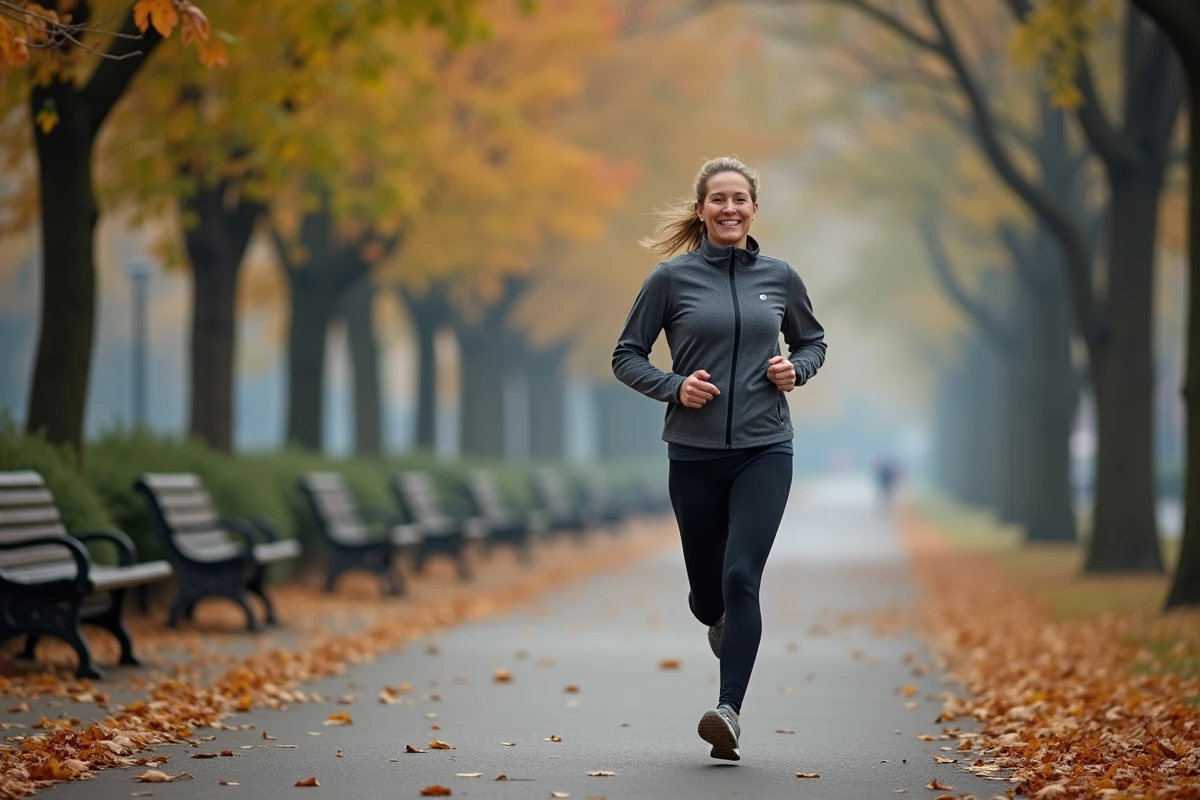
Life expectancy in good health is stagnating despite medical advances and easier access to information. Nearly 70% of European adults report lacking regular physical activity, while more than a third of chronic diseases could be prevented by simple lifestyle changes.
The World Health Organization ranks physical inactivity among the top ten global mortality risk factors. Yet, a few adjustments in daily routines are enough to reduce the risks of diabetes, obesity, or hypertension, while improving overall well-being.
Why our modern lifestyle puts our health to the test
Sedentary behavior is taking hold. It settles into our daily lives quietly, like a calm yet formidable force. The hours spent sitting accumulate: at the office, during commutes, in front of screens. Physical activity then becomes the poor relative. It is no longer an exception but the rule. The World Health Organization confirms this: inactivity, combined with other risk factors such as an unbalanced diet, tobacco, or alcohol consumption, leads to a surge in chronic diseases: type 2 diabetes, cardiovascular diseases, cancers.
At the Pasteur Institute in Lille, the numbers are stubborn: obesity and metabolic disorders are on the rise in cities. Public health prevention campaigns come and go, but changing course remains difficult, hindered by a reality woven with precariousness, stress, and urban planning that is not welcoming for walking or cycling. Cities prioritize cars, speed, and immobility. The result: active transportation remains a minority.
Building a healthy lifestyle is never limited to an isolated decision. It is a collective trajectory, influenced by our infrastructures, laws, and social habits. Access to physical activity depends as much on political and urban choices as on individual will. Seeking to move more sometimes means facing barriers, but also finding resources and support. Some platforms, like https://www.soyezsport.fr/, offer concrete ideas and tools to help navigate this.
In the face of rising chronic diseases, the issue transcends the private sphere. It questions our collective, economic, or cultural choices that impact the physical health and mental health of everyone. Changing the game requires a mobilization much broader than mere “goodwill.”
Sport, balanced diet: the winning duo for feeling better every day
Combining regular physical activity and a healthy diet is betting on a powerful alliance. It is not just a matter of performance or competition. Physical exercise, even moderate, protects against diabetes, certain cancers, cardiovascular diseases, obesity, and arthritis. The recommendations from the World Health Organization are clear: it is better to have an adapted, regular practice than to seek out exploits. Age is not a barrier; everyone can find their formula.
On the nutrition side, diversity prevails. Focus on fruits, vegetables, fibers, quality proteins, and limit ultra-processed foods. This combination improves physical condition, promotes restorative sleep, and helps manage stress better. Mental balance also benefits, proving that everything is interconnected.
The effects of sport extend far beyond the boundaries of the body. Group activities enhance social skills, autonomy, and nourish personal development. Some doctors even prescribe physical activity as a genuine treatment, demonstrating its value recognized by the medical community.
Here’s what is concretely at play in this dynamic:
- Mental and physical health evolve together; each progress nourishes the other.
- Lifestyle hygiene advances step by step, sometimes with the support of health professionals.
Every step towards regular physical activity or dietary change triggers a virtuous cycle: more energy, a more stable mood, growing confidence.

How to easily integrate physical activity into your routine, even with a busy schedule?
Days offer no respite, and regular physical activity seems inaccessible, reserved for a few enthusiasts. However, the World Health Organization’s recommendation of 150 minutes per week of moderate-intensity activity can fit into any daily routine. It just takes breaking it down. Ten minutes of brisk walking during lunch break, choosing the stairs instead of the elevator, a few stretches between meetings while working from home: every action counts.
In the professional world, change is palpable. Companies are rethinking their spaces, offering group sessions, and encouraging walking or cycling commutes. The Centre Prévention Santé Longévité is developing educational programs to integrate movement into all age groups.
For the younger ones, school becomes a learning ground. Outdoor games, team sports, aerobic activities punctuate the days. For seniors, it is better to prioritize suitable practices: yoga, gentle walking, balance exercises, to maintain mobility gently.
Here are some concrete strategies to embed physical activity into your routine:
- Routine: schedule your sessions like any professional appointment.
- Variety: change activities, try new ones, adjust according to desire and energy.
- Environment: take advantage of parks, bike paths, and available community facilities.
Every context—workplace, school, public space—can become a valuable support for regular physical activity, even when time seems to slip away. Ultimately, it is by multiplying these small adjustments that we shape a more active daily life, a stronger health, and perhaps a slightly lighter life.