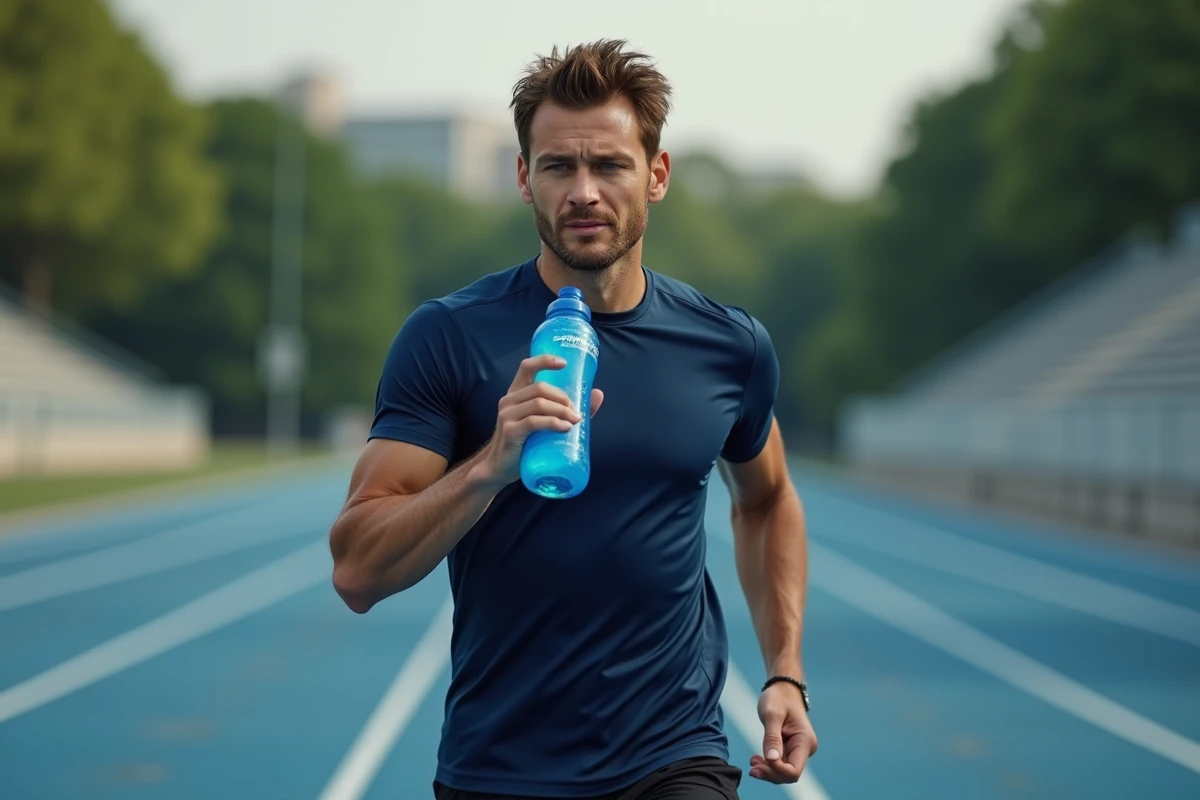
On a construction site in the middle of summer, in a logistics warehouse, or on a production line, the temptation is strong to replace water with a more pleasant-tasting beverage. Powerade, a sports drink made by Coca-Cola, is often found in the coolers of manual workers who sweat as much as a marathon runner, without being athletes. The consequences of daily consumption deserve attention.
Powerade on construction sites: when a sports drink replaces tap water
There is a phenomenon that nutritionists are increasingly documenting: workers in physically demanding jobs consume sports drinks as their only source of hydration during their shifts. The idea seems logical, as these drinks are designed to compensate for losses in water, sugars, and electrolytes (sodium, potassium, magnesium) during prolonged exertion.
The problem is that Powerade is formulated for intense athletic efforts, not for eight hours of continuous work. A competitive athlete burns their glycogen stores over a limited time. A bricklayer or forklift operator alternates effort and recovery throughout an entire day, with different hydration needs.
To delve deeper into the various opinions on Powerade’s health effects, several nutritional analyses detail the actual composition of the drink and its limitations outside of a sports context.
Replacing water with Powerade daily means systematically ingesting added sugars and additives, while the body mostly only needs plain water and a balanced diet to compensate for mineral losses.
Sugar and electrolytes in Powerade: how the composition changes daily
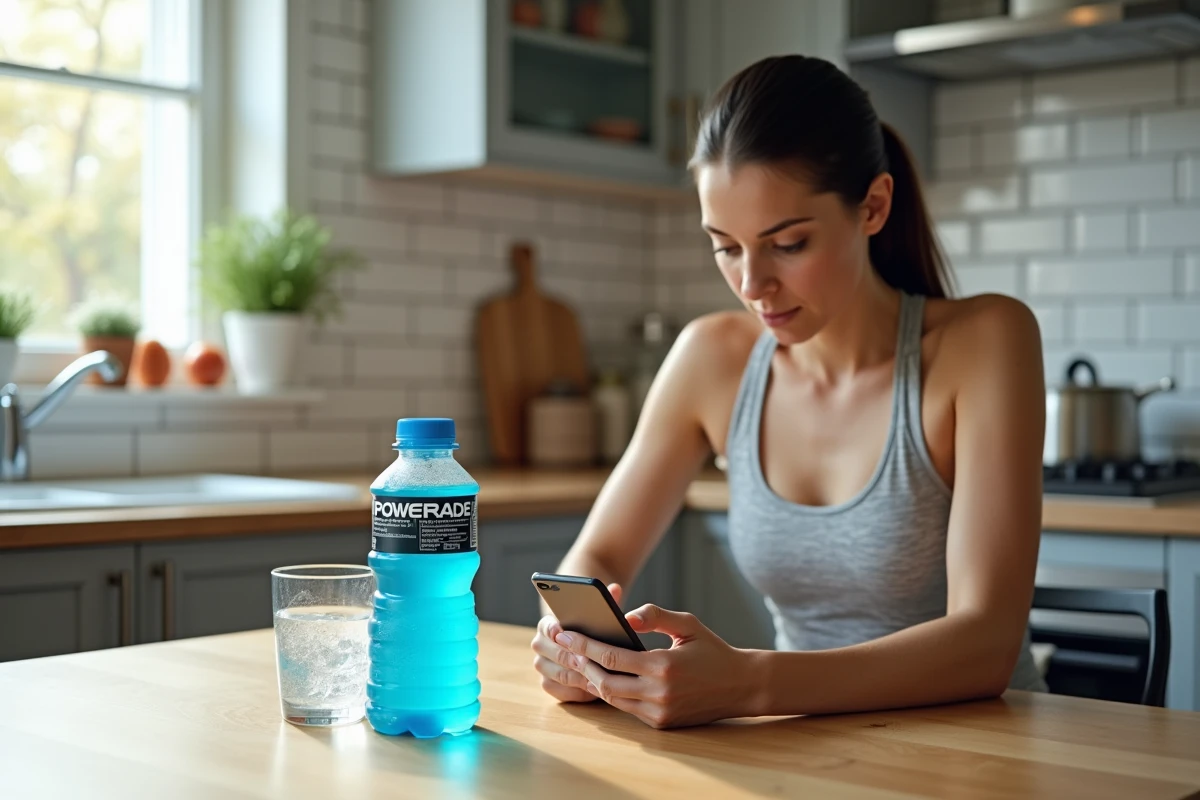
A bottle of Powerade contains a mix of water, sugars (often in the form of glucose-fructose syrup), and electrolytes. When consumed occasionally after intense exercise, this mix helps restore reserves. With daily consumption, the intake of added sugars accumulates without the body having an immediate use for them.
Sports drinks are not energy drinks (they generally do not contain caffeine or taurine), but they share one common point: a sugar content that can become problematic over time.
What a regular serving actually contains
- Simple sugars that, when consumed daily outside of intense athletic effort, contribute to weight gain and increase the risk of glycemic imbalances.
- Sodium in a quantity calibrated for sports sweating, not for regular dietary intake. Combined with the salt present in meals, this excess can impact blood pressure.
- Artificial colors and flavors that have no nutritional value, and whose chronic consumption raises concerns among some public health specialists.
The Canadian Paediatric Society reminds us that water remains the best choice for hydration, including for young athletes. This finding is even more valid for adults whose physical activity, no matter how intense, is not structured like athletic training.
Effects on the heart and metabolism of regular consumption of sugary drinks
Feedback on this point varies by profile, but the general trend documented by public health organizations points in the same direction. Regular consumption of sugary drinks (including sports drinks) is associated with an increased risk of cardiovascular and metabolic problems.
The National Institute of Public Health of Quebec has produced a synthesis on the risks associated with the consumption of energy drinks, highlighting the effects on the cardiovascular system. While energy drinks and sports drinks differ in composition, sugar remains the common denominator and the main risk factor in both categories when discussing daily consumption.
Manual workers: an underestimated risk profile
It is often thought that sweating a lot “cancels out” the calories ingested through a sugary drink. In reality, the caloric expenditure related to sweating is marginal. The body loses water and minerals, not calories.
A manual worker who drinks several bottles of Powerade a day adds a significant amount of quick sugars to their diet. Over weeks and months, this promotes:
- A gradual weight gain, often mistakenly attributed to other causes.
- An increased demand on the pancreas to manage repeated spikes in blood sugar.
- A real dental risk, as the acids and sugars in sports drinks attack enamel just like regular sodas.
Concrete alternatives to stay hydrated at work without Powerade
On the ground, replacing an ingrained habit requires practical solutions, not abstract recommendations. Here’s what works when working outdoors or in hot environments.
Plain water remains the foundation, and it is sufficient in the vast majority of situations. For hot days with significant sweating, one can add a pinch of salt and a bit of lemon juice to a one-liter bottle. This is a homemade electrolyte solution that meets needs without added sugar.
If the taste of water is an issue (it’s a real barrier, not a whim), flavored waters without sugar or cold infusions offer an alternative. The goal is to maintain sufficient hydration volume without turning every sip into a caloric intake.
Powerade can keep its place in a specific context: intense physical effort lasting over an hour in hot conditions. A bottle in the middle of the day during a peak of work in the sun is not problematic. Three bottles a day, five days a week, all year round, is another matter.
The line between useful hydration and sugary habit is drawn at the frequency, not the product itself. An occasional Powerade after real exertion is nothing alarming. A systematic Powerade in place of water turns a recovery drink into a source of chronic sugar, with the health effects this implies in the medium term.