Minimalism, an aesthetic movement that prioritizes simplicity and purity, has profoundly influenced interior decoration over the decades. This approach, where less means more, invites reflection on the essentials while discarding the superfluous. Clean spaces, clear lines, and limited color palettes characterize this style that promotes a zen and functional atmosphere. In a society often saturated with objects and visual stimuli, minimalism in decoration offers a form of counter-culture, valuing space, light, and order. This trend also has repercussions on consumption, encouraging more conscious and sustainable choices.
The Essence of Minimalism in Interior Decoration
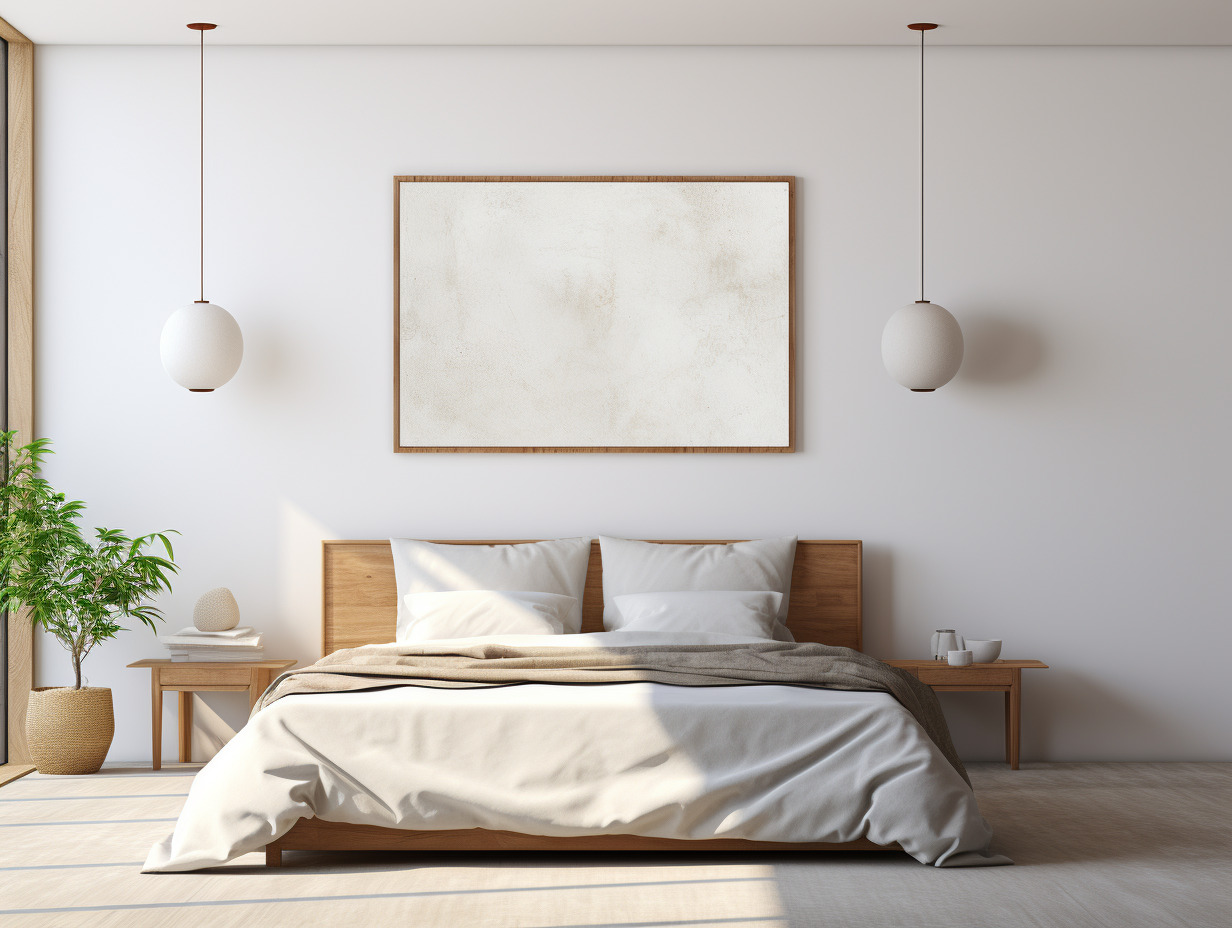
The minimalist style transcends mere aesthetics to become a true philosophy of life. Adopting a minimalist interior means choosing to emphasize functionality without sacrificing the beauty and timelessness of furniture. Minimalist materials such as glass, concrete, aluminum, stainless steel, wood, and stone are favored for their ability to create clean lines and reflect a sophisticated simplicity. In this universe where each object is carefully selected, minimalist interior decoration becomes a reflection of the aspiration for balance and daily well-being.
The Minimalist Space, through its clarity and functionality, promotes this well-being and balance. Brightness and open volumes contribute to a sense of freedom and inner peace, potentially aiding in the improvement of mental health. Protect Habitation, as an entity specialized in creating healthy living spaces, emphasizes the positive influence that a minimalist environment can have on its occupants.
Minimalist decoration is also associated with practices such as chromotherapy, where neutral and soothing colors are chosen to enhance the positive impact on the psychological state of residents. The simplicity of hues, far from making the space monotonous, offers a setting conducive to serenity and concentration while allowing for unique and personalized decoration.
Functionality is an essential characteristic of the minimalist style. Each piece of furniture must meet a need while maintaining an aesthetically pleasing appearance. Inspired by movements such as Bauhaus, minimalism in interior decoration has influenced hybrid styles like Japandi, which combines Scandinavian purity with Japanese elegance. These multiple influences testify to the adaptability and relevance of minimalism in the art of designing both modern and timeless interiors.
The Benefits of Minimalism on Well-Being and the Environment
The practice of minimalism is often praised for its therapeutic virtues. Reducing visual and physical clutter helps alleviate the pressure of perfection and daily stress. The choice of neutral colors and clean lines fosters a serene environment conducive to relaxation and concentration. Architects like Mies van der Rohe have long understood the impact of space on mental health and sight, advocating for homes where the horizon is unobstructed, where natural light can flow freely, thus creating a sense of peace and inner freedom.
Minimalism challenges the consumer society with its promise of responsible consumption. By choosing less, but better, followers of this lifestyle contribute to a lower environmental impact. Minimalist consumption, far from being a trap, becomes a response to the overproduction and overconsumption that characterize our time. By valuing sustainability and rejecting planned obsolescence, minimalism asserts itself as an ecological alternative, reducing carbon footprints and the amount of waste generated.
However, critics of minimalism warn against potential dehumanization in extreme minimalism, where the space may seem cold and impersonal. Be careful not to confuse simplicity with a lack of human warmth; minimalism, when well applied, should not eliminate personality or comfort. A balance must be found between minimalist aesthetics and a welcoming habitat, thus reflecting the soul of its occupants while preserving their well-being and environment.