In 2023, nearly 60% of remote medical consultations incorporated artificial intelligence for the preliminary assessment of symptoms. Since January, European regulations have allowed the prescription of certain connected devices, once reserved for clinical experimentation, in regular care pathways.
Consortia involving start-ups, laboratories, and mutual insurance companies are now funding the development of miniaturized biosensors capable of continuously monitoring multiple vital parameters. These devices, already present in some hospitals, are gradually expanding their use to outpatient medicine and personalized prevention.
Overview of major technological trends reshaping healthcare
Digital health is now at the heart of medical transformation. It no longer just accompanies change: it drives it. Artificial intelligence infiltrates all levels: automated medical diagnosis, predictive analytics, decision support tools. The result: faster detection of pathologies, better-adapted treatments, anticipatory medicine. Digital twins, these virtual doubles created from a patient’s health data, offer a new way to predict the progression of a disease or the reaction to a therapy. What was once science fiction is now a clinical tool.
Another experimental field: virtual reality. Used to relieve pain or accelerate rehabilitation, it is proving effective in several Parisian hospitals. Immersed in virtual environments, patients experience reduced anxiety before surgery or facilitated recovery after a stroke. On the data side, Big Data in healthcare, combined with powerful algorithms, allows for the detection of weak signals in millions of records. This opens the door to more precise and proactive predictive medicine.
On the European stage, France is establishing itself as a pioneer. Platforms like geekmedical.fr continuously decode these advancements: AI applied to genome decoding, digital tools transforming daily practice, new uses for caregivers and patients. Far from being mere gadgets, these innovations mark the advent of hybrid medicine: a blend of algorithmic power and human discernment, controlled data exploitation, and enhanced cooperation among sector players.
What innovations are concretely transforming the care pathway and daily well-being?
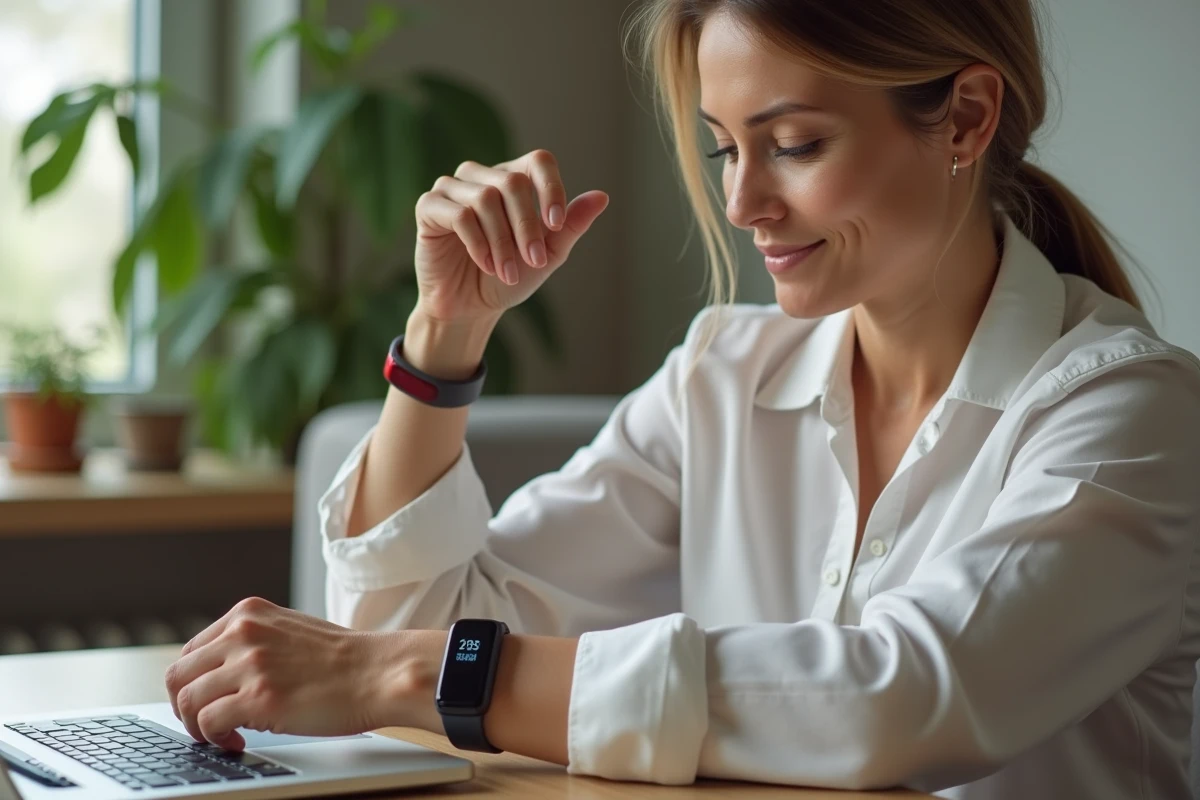
Personalized medicine is taking on a new dimension thanks to the rise of connected objects. For each patient, continuous monitoring of vital signs becomes accessible: smart blood pressure monitors, activity watches, sensors of all kinds. These devices transmit their health data in real-time, facilitating alert detection and rapid adjustment of prescriptions. People with chronic diseases benefit from more precise monitoring: fewer unexpected hospitalizations, fewer complications related to inappropriate treatments.
Mental health is also evolving: mobile applications, validated by experts, offer remote support programs. A secure and interoperable digital environment is being established to streamline communication between patients and professionals. Caregivers gain in responsiveness; patients gain in autonomy.
Here are the major innovations that are now part of patients’ daily lives:
- Connected objects: continuous monitoring and prevention of health incidents.
- Smart medical devices: real-time adaptation of treatments according to individual needs.
- Mental health applications: personalized support, rapid intervention even remotely.
The sector attracts colossal investments, amounting to billions of dollars each year, to accelerate the design of these solutions. In response to the enthusiasm, the digital modernization of the healthcare system is intensifying. The requirements: reliability, security, speed of adaptation to new uses.

Start-ups, mutuals, institutions: who are the new driving forces of innovation in healthcare?
The health sector is reinventing itself under the impetus of new players. Start-ups dare to innovate, investing in digital technology, AI, and intelligent data processing. Their strength: agility; their goal: to build unprecedented solutions tailored to the concrete needs of professionals and patients. Paris, as well as other French and European regions, is witnessing the emergence of teams rethinking medical care.
Mutuals are accelerating their transformation. Their mission goes beyond mere reimbursement management: they are investing in prevention, encouraging access to connected tools, and funding research and experimentation. Their involvement in the development of digital health is becoming more pronounced month by month.
Public institutions orchestrate the collective movement. They multiply calls for projects, promote the circulation of health data, and ensure technology compatibility. They create bridges between researchers, engineers, and practitioners. The sector is organizing around this ecosystem where collective innovation becomes the norm, with a clear requirement: to guarantee quality, respect ethics, and ensure security.
Three major forces thus structure the landscape:
- Start-ups: accelerators of change, laboratories of tailor-made solutions.
- Mutuals: committed partners in prevention and the deployment of digital health.
- Institutions: pillars of regulation, guarantors of the sharing and coherence of initiatives.
At the crossroads of talent and technology, healthcare is poised to cross a new threshold: one where innovation is no longer a matter of debate, but becomes the shared norm. It remains to be seen how each stakeholder—patients, caregivers, decision-makers—will seize this dynamic, so that tomorrow, technology finally serves health without ever enslaving it.