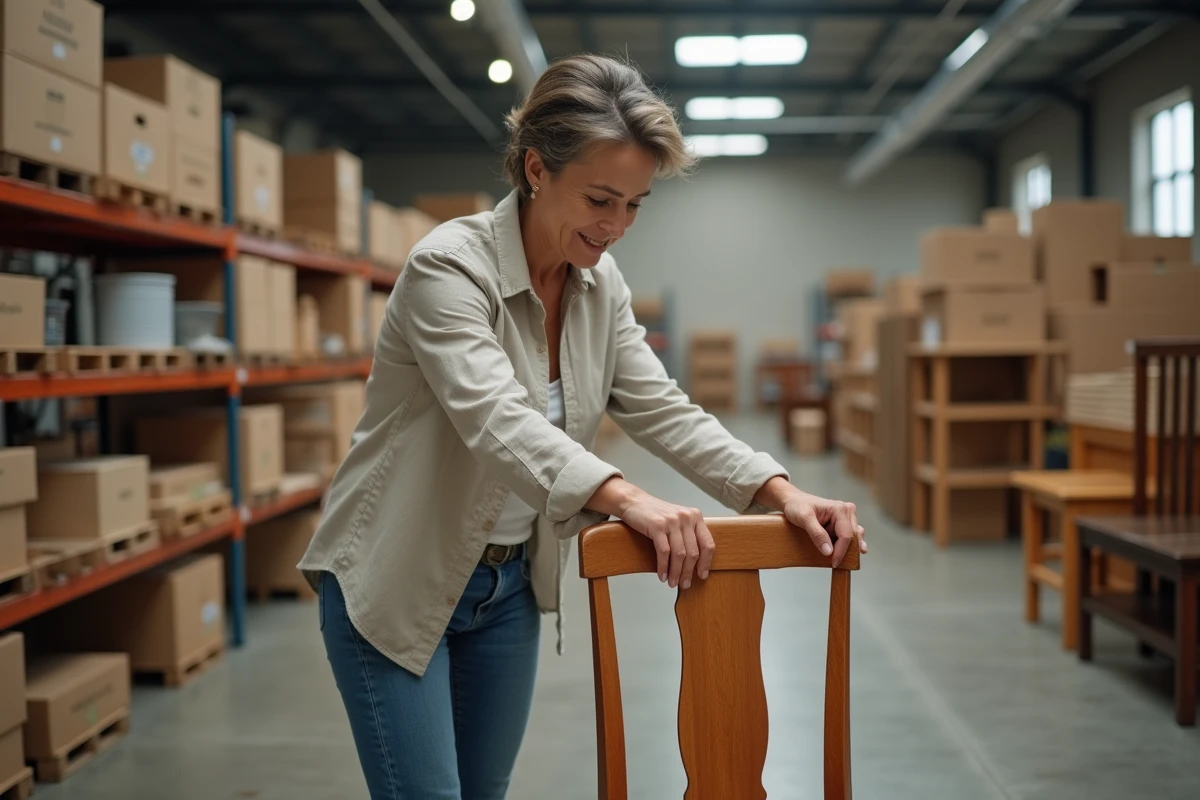
A furniture donation refers to the free transfer of a movable property between a donor and a recipient, without any financial compensation. The framework is simple: the furniture must be in usable condition, clean, and not pose any health risks. Anyone can give or receive, whether the process goes through an association, an online platform, or a neighborhood arrangement.
Building resource centers and social landlord initiatives
In recent years, social landlords and student residence managers have been experimenting with internal furniture donation circuits. The principle: a private neighborhood application or a dedicated space in the residence allows outgoing tenants to leave their furniture for incoming ones.
These initiatives address a concrete problem. A student moving into a partially furnished residence, or a household relocated after staying in emergency housing, may not always have the budget to buy a table, chairs, or a sofa. By offering building resource centers, landlords reduce the time needed for furnishing and limit unexpected expenses for tenants.
To find out if your residence offers this type of service, contact your landlord or the residence manager directly. Some local authorities also support these initiatives with “reuse passes” or solidarity furniture vouchers, reserved for households monitored by social services, which provide priority access to furniture through partner organizations.
Peer-to-peer donation platforms: operation and limitations
Several platforms allow you to publish or retrieve free furniture donations at Direct Home as well as on sites like Donnons.org, Toutdonner.com, or Geev. The operation is similar from one site to another: the donor creates a listing with a photo and location, interested parties contact them, and the pickup is done in person.
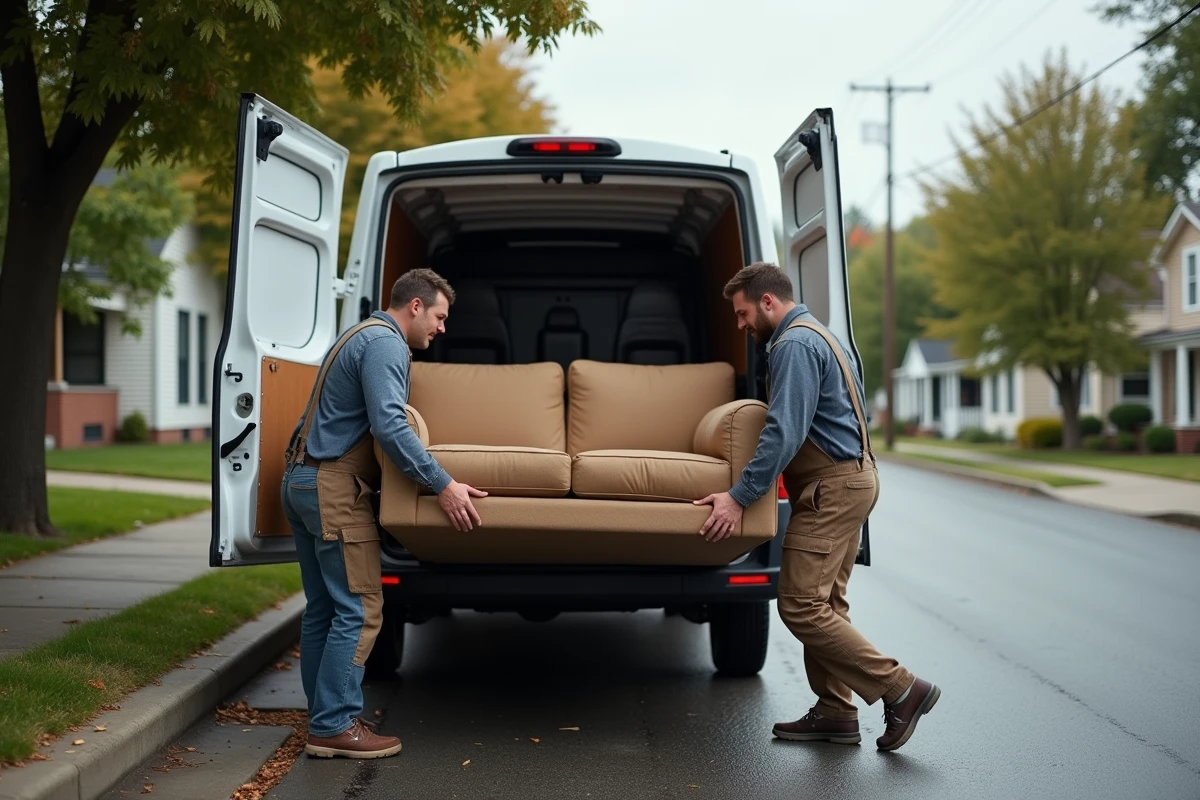
The transportation remains the responsibility of the recipient. This is the main constraint. A sofa offered twenty kilometers from your home may cost more in van rental than its equivalent second-hand on a sales site. Before responding to an ad, check the distance and estimate the logistical cost.
Each platform has its specifics:
- Geev operates on a mobile app with automatic geolocation and a “request for adoption” system for each item. The volume of listings is high.
- Donnons.org brings together a community of nearly two million registered users, with categories dedicated to furniture, appliances, and decoration.
- Toutdonner.com offers a search engine by department and category, with the option to create alerts to be notified as soon as a piece of furniture matching your criteria is published.
Responsiveness makes a difference. Furniture in good condition goes quickly, especially in large urban areas. Activate notifications or donation alerts so you don’t miss an ad.
Associations and solidarity structures that collect furniture
Associations remain the historical channel for giving or receiving furniture for free. The Emmaüs network, Secours Populaire, the Red Cross, and local resource centers accept furniture in good condition and redistribute it to people in need or sell it at a symbolic price.
The difference with peer-to-peer platforms lies in the pickup service. Emmaüs, for example, offers home collection for bulky furniture (wardrobe, bed, table) in many cities. This service is free, but the waiting times vary depending on local demand, sometimes several weeks.
For structures like resource centers or the Envie network, the furniture must be functional and clean. A stained sofa or a piece of rotting wooden furniture will be refused. Before offering a donation, honestly assess the condition of the furniture: if you wouldn’t want it in your home, the association probably won’t want it either.

Check the condition of a donated piece of furniture before accepting it
Picking up a free piece of furniture does not exempt you from careful examination. A bed or sofa retrieved without verification can pose hygiene or safety issues.
Here are the points to systematically check:
- For a wooden piece of furniture: look for signs of small regular holes (a sign of woodworm or beetles). An infested piece of furniture can contaminate the rest of your belongings.
- For a sofa or mattress: check for suspicious stains, persistent odors, and inspect the seams for bedbugs. A second-hand mattress poses a real health risk.
- For a piece of furniture with drawers or doors: test each mechanism on-site. Broken slides or torn hinges often cost more to repair than the furniture is worth.
- For any furniture intended for children (crib, high chair): check for stability and the absence of broken parts or sharp edges.
Take the photos from the listing as a first filter, not as a guarantee. Always go to see the furniture in person before confirming the pickup.
Local groups and neighborhood networks
Outside dedicated platforms, neighborhood Facebook groups, discussion threads on Nextdoor, or bulletin boards at the foot of buildings remain effective channels for finding free furniture near you. The advantage: proximity drastically reduces transportation issues.
In some cities, local authorities also encourage reuse through drop-off zones at recycling centers where still usable items are made available for free. Bordeaux Métropole, for example, offers this type of service at its collection points. Check with your local authority to see if a similar initiative exists in your area.
Furniture donation works both ways. Donating a piece of furniture you no longer need frees up space and avoids landfill, while the recipient furnishes their home without expense. The only condition that sustains this circuit: offer furniture that someone will actually want to use.