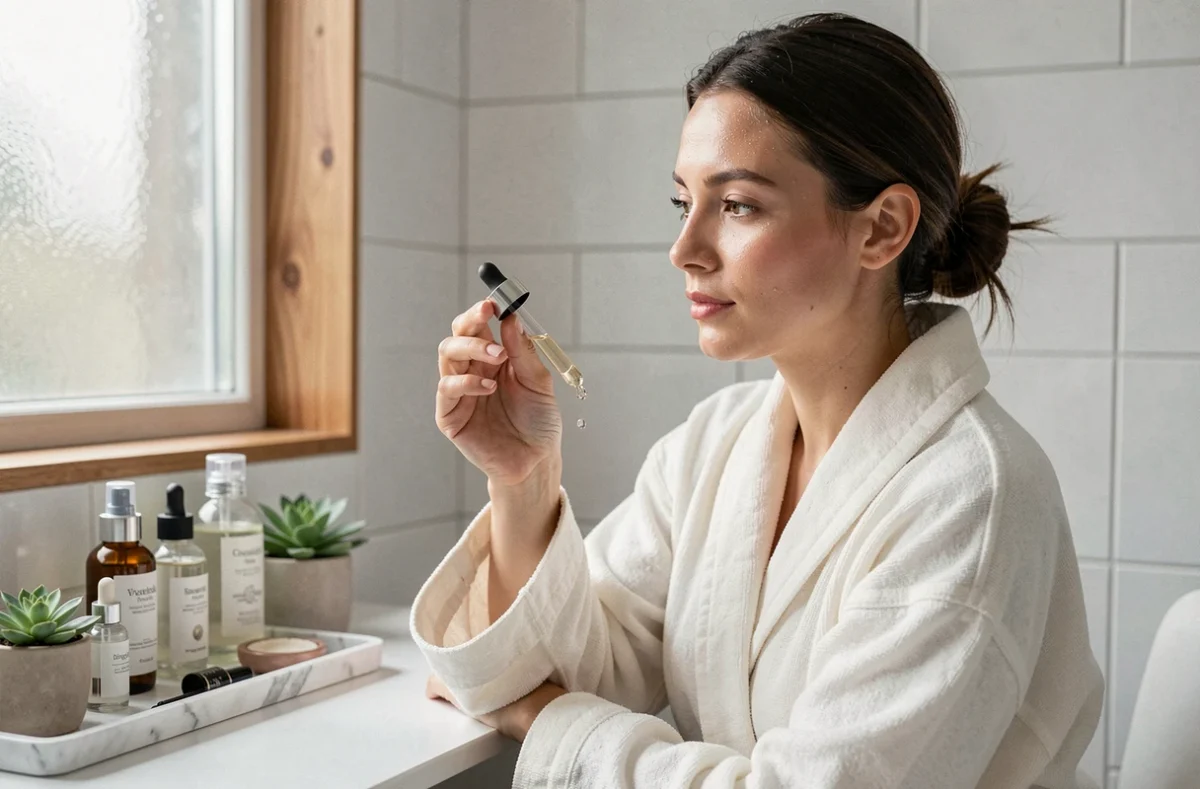
When a brand reformulates a best-selling serum to comply with new European rules on allergens, consumers see only a change to the label. Behind the scenes, the entire production chain has to adapt. This season’s beauty trends are reflected as much in textures and shades as in the regulatory constraints reshaping Europe’s cosmetics market.
European cosmetics regulations: what’s changing this season
Since August 1, 2026, new products placed on the European market have had to carry expanded fragrance allergen labeling. Products already on shelves have until August 1, 2028, to comply, but brands launching new products this season have no choice. As a result, packaging now features longer INCI lists, sometimes with around ten additional entries for fragrance compounds.
At the same time, the PPWR packaging regulation has applied to cosmetic containers (bottles, cartons and shipping packaging) since August 12, 2026. The first requirements focus on documentation and compliance. Recyclability and recycled-content requirements will be phased in by 2030, already prompting development teams to rethink materials at the design stage.
Following Beauté Révolution’s beauty news helps explain how these regulatory changes are reflected in product launches from week to week.
As for microplastics, the European restriction goes beyond glitter and exfoliating beads. It also targets synthetic polymer microparticles used for their functional properties, such as texturizing and film-forming agents. Rinse-off cosmetics are affected from October 17, 2027, leave-on products from October 17, 2029, while makeup, lip products and nail products follow an even longer timeline.
What this means for beauty store shelves
In practice, three direct effects are already visible in the products available this season:
- Fragrance reformulations in skin and body care, with formulas adjusted to reduce the number of allergens that must be declared or replace them with less sensitizing alternatives.
- Packaging with less visual embellishment (less outer packaging and the removal of some mixed plastics) in anticipation of future PPWR recyclability requirements.
- New scrub and mask textures featuring mineral- or plant-based exfoliants, as brands choose to get ahead of the 2027 deadline for rinse-off cosmetics rather than wait until the last minute.
Skincare and ingredient trends: clean clinical beauty put to the test
Clean beauty alone is no longer enough to win consumers over. They want formulas that are both transparent and backed by clinical evidence. This season, more skincare products are displaying test results right on the packaging, rather than only on a webpage.
Ingredient traceability is becoming a measurable selling point, not just a logo. Some brands now state the country of origin of their key active ingredients directly on the bottle, a practice that was still uncommon two years ago.
Skinimalism—the trend toward pared-back routines—is here to stay. Instead of layering serum, essence, cream and oil, consumers are looking for multifunctional products that combine hydration, protection and correction in one or two steps. This is more than a passing trend: consumers are weighing efficacy against cost, and a product that replaces three others is naturally more appealing.
Ingredients to watch this season
Biomimetic peptides continue to gain ground in anti-aging skincare. They are found in concentrated serums, but also in body creams, a category long limited to basic hydration.
Prebiotics and postbiotics are becoming more common in facial cleansers. The aim is to respect the skin microbiome rather than strip the skin, in line with the shift toward gentler formulas prompted by tighter regulations on certain preservatives.
Beauty packaging and eco-design: the visible trade-offs
The paper makeup case with a bamboo hinge presented by Aros Group points to a practical solution: replacing rigid plastics with bio-based materials without sacrificing functionality. This kind of innovation directly addresses future PPWR recyclability requirements.
Refillable options are becoming standard in premium makeup. A compact that can be taken apart, with a detachable mirror, means only the colored product needs replacing. The case stays; waste is reduced. This is no longer a niche proposition: several beauty houses are incorporating refills into their permanent collections.
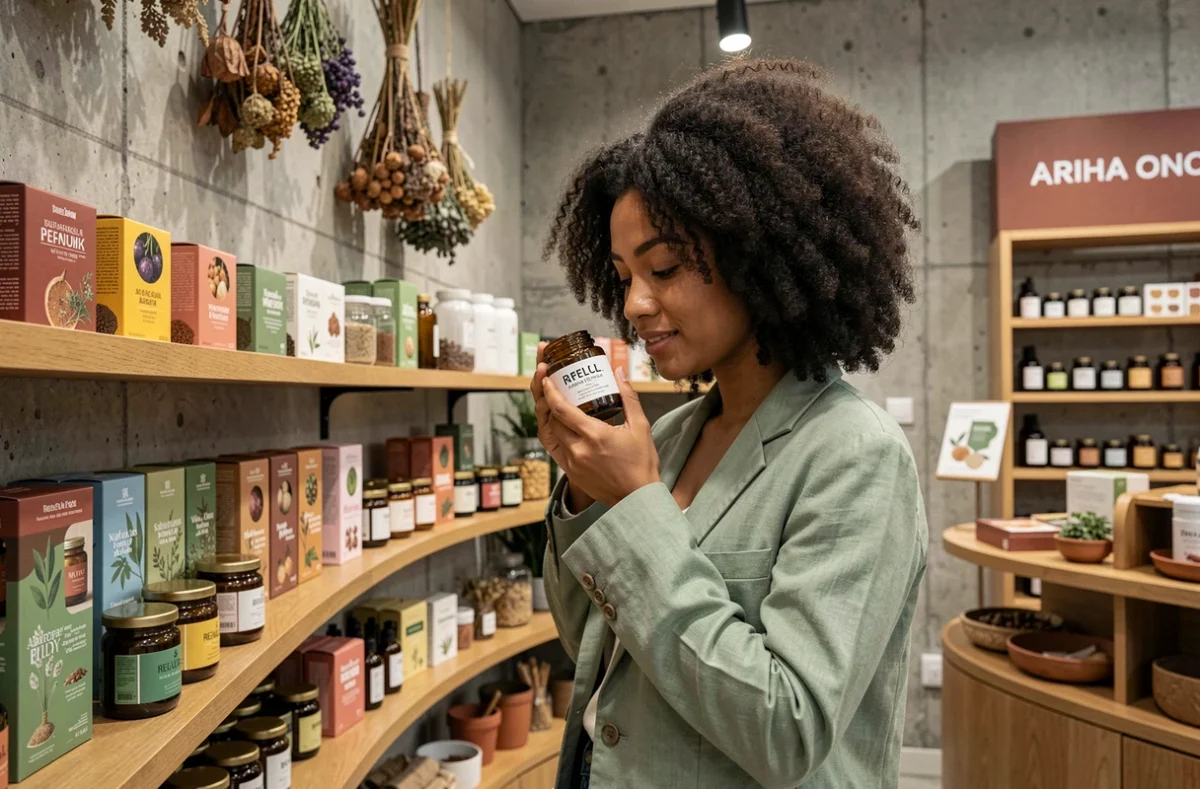
The most visible trade-off for consumers is the look of the packaging. Single-layer packaging (made from one material and therefore easier to recycle) offers fewer finishing options. Metallic effects, spot varnishes and complex cutouts are becoming more expensive or technically incompatible with recyclability goals. Products look different on store shelves, not because of a marketing choice but because of an industrial constraint.
Makeup and color trends: what’s in this season
The STABILO x KIKO MILANO collaboration, recognized at the 2026 Pentawards, captures the mood of the moment: capsule collections built around bold color and a playful creative twist. Saturated shades—bright orange, fuchsia pink and electric purple—dominate lip and eye collections.
Glossy lip textures are making a strong comeback after several seasons of matte finishes. Today’s formulas combine shine with long wear, a balance that was still a technical challenge not long ago.
For complexion, the trend is toward lightweight foundations, almost like tinted skincare enriched with hydrating ingredients. Makeup is no longer just about coverage; it’s becoming part of the skincare routine. The line between skincare and makeup is blurring in the formulas themselves, not just in brand messaging.
This season marks a turning point: beauty trends are no longer just about colors and textures. New European requirements for allergens, microplastics and packaging are reshaping what’s available on store shelves. Brands that get ahead of these regulatory deadlines gain a tangible advantage, while consumers get clearer information about what they put on their skin.