
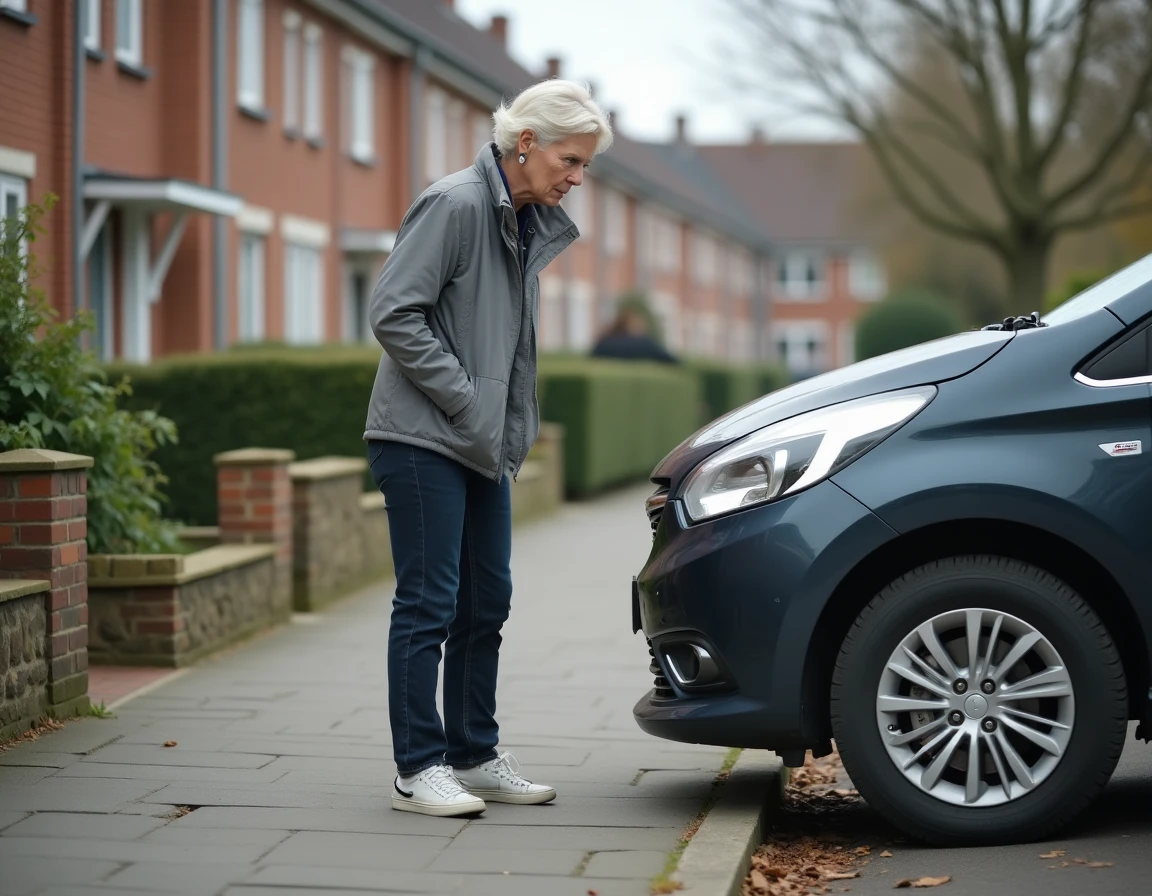
Your neighbor parks their car on the sidewalk, right in front of your house. You might be doing the same thing. In a housing development, this habit seems ordinary, but it involves several levels of rules that most residents are unaware of. Parking on the sidewalk in a housing development does not only depend on the Highway Code: the development’s regulations and municipal orders often carry more weight in daily life.
Development Regulations: The Rule That No One Reads
Before even looking at the Highway Code, you need to open a document that many homeowners file away without consulting: the development regulations. This document is attached to the sales deed. It sets the obligations of each owner regarding the common areas.
In many developments, the regulations prohibit any parking on the sidewalk in front of one’s own plot, even in the absence of a sign. The rule of sidewalk parking in a housing development then arises from a contractual commitment, not from a classic traffic violation.
In practical terms, a neighbor who observes a violation of the regulations can initiate a formal notice, followed by a civil lawsuit. The regulations serve as the basis for legal actions between homeowners, and the courts apply them rigorously. A sign is not necessary for the prohibition to be enforceable.
Highway Code and Private Roads in Developments: What the Law Says
Article R417-11 of the Highway Code prohibits parking on sidewalks. This prohibition applies on public roads. You may have noticed that the street in your development resembles a public road, but it remains private. This distinction changes a lot.
Private Roads Open to Public Traffic
If the roads in the development are open to public traffic (no barrier, free access), the Highway Code applies. Parking on the sidewalk then remains a punishable offense, just like on a municipal road.
Closed Private Roads
In a development where the roads are closed by a barrier or gate, the Highway Code does not automatically apply. The municipal police cannot issue fines without a municipal order that makes these rules applicable to the relevant private roads.
In recent years, several municipalities have issued orders that explicitly extend the rules of the Highway Code to private roads in developments. These orders make the prohibition of sidewalk parking enforceable, even behind a gate. Check if your municipality has issued such an order by contacting the town hall or consulting the municipal orders online.
Fines and Penalties for Sidewalk Parking in Developments
When the Highway Code applies (public road or municipal order extending it to private roads), parking on the sidewalk constitutes obstructive parking. The fine imposed is a second-class misdemeanor. The vehicle may also be subject to towing if the parking obstructs pedestrian passage.
At the same time, non-compliance with the regulations falls under civil court jurisdiction. The penalties are not the same:
- The criminal fine penalizes the violation of the Highway Code, observed by a sworn officer.
- The civil action between homeowners addresses non-compliance with the regulations and can result in a daily penalty as long as the vehicle remains parked.
- The municipality’s liability may be engaged if the mayor refuses to act despite repeated reports on roads open to public traffic.
Both procedures can be cumulative: a resident can receive a fine from the municipal police and, at the same time, be summoned by a neighbor in court.
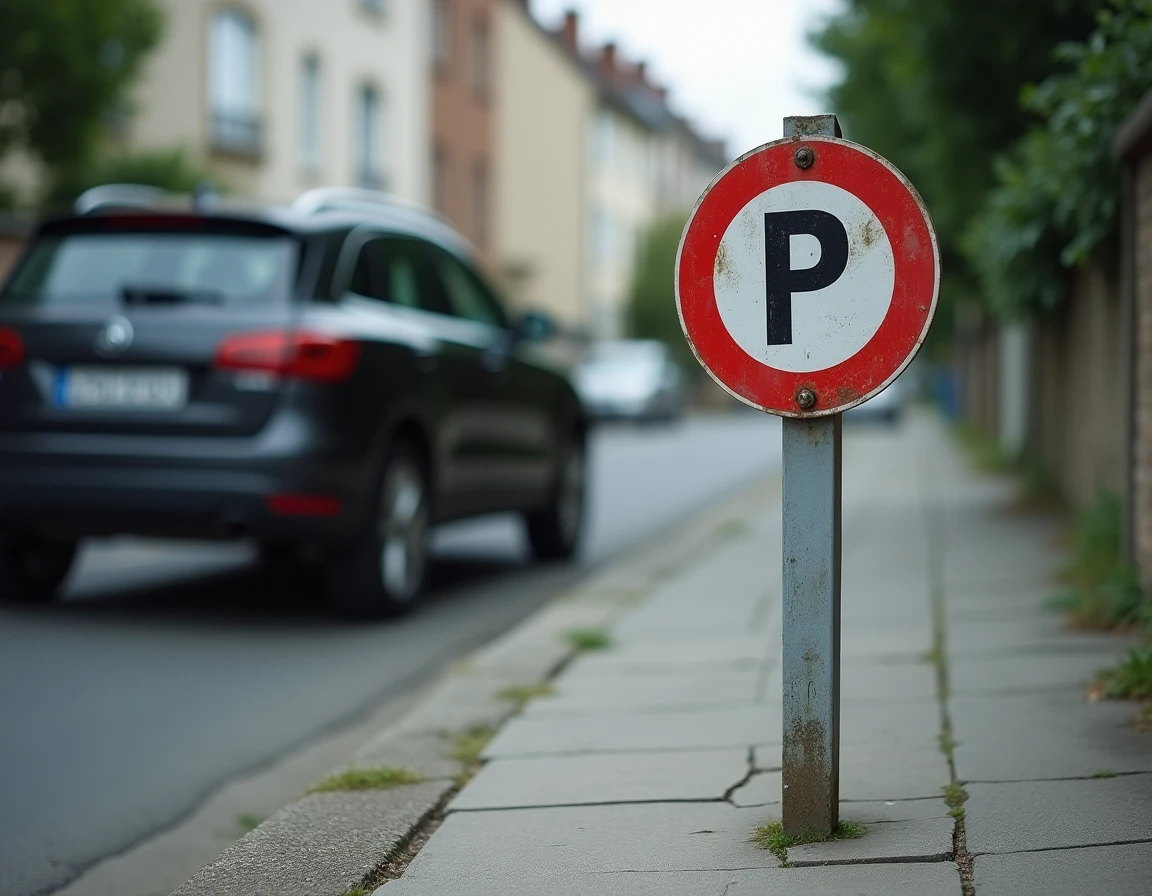
Municipal Order: The Mayor’s Role in Development Parking
The mayor has the authority to regulate traffic throughout the municipal territory. This power allows them to issue specific orders for developments, including private roads.
In practice, the tightening of local rules has been observed in recent years. Some municipalities now precisely delineate the areas of authorized parking in residential developments. Any overflow onto the sidewalk, even partial or for two-wheelers, is prohibited in these recent orders.
If you notice abusive parking in your development and the mayor remains passive, administrative remedies exist. A resident can contest the mayor’s inaction through a gracious appeal, then take the matter to the administrative court to request an injunction to act. Case law recognizes that the mayor has an obligation to exercise their regulatory powers when safety or convenience of passage is compromised.
What to Do When a Vehicle is Parked on the Sidewalk in Front of Your Home
You are facing a vehicle parked permanently on the sidewalk of your development. Here are the steps to follow, from the simplest to the most demanding:
- Review the regulations of your development to check for a prohibition on parking in common areas or on sidewalks.
- Send a registered letter to the vehicle owner citing the relevant clause of the regulations.
- Report the situation to the town hall in writing, asking if a municipal order applies to the roads in the development.
- If unsuccessful, contact the homeowners’ association (if it exists) or initiate a civil procedure in the judicial court.
A registered letter with acknowledgment of receipt is often enough to resolve the situation, because most residents simply ignore the rules that are in their own sales deed.
Parking on the sidewalk in a housing development remains a topic where contractual law (regulations) and public law (Highway Code, municipal orders) overlap. Before raising your voice with a neighbor, take the time to check which text actually applies in your street. The answer varies from one development to another, and sometimes from one road to another within the same complex.