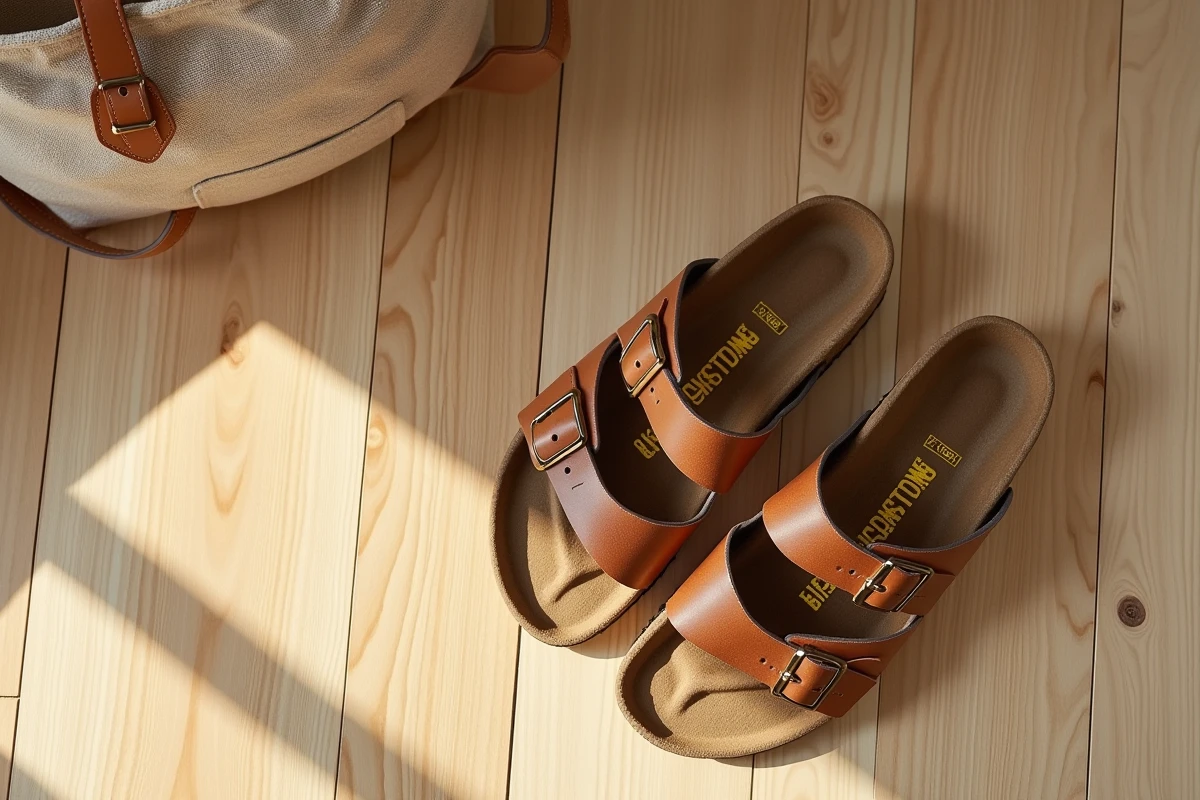
After a day standing on tiled floors, or after a long walk in the city, the choice of sandal makes all the difference. Birkenstock and Scholl consistently come up in discussions about foot comfort, but these two brands do not meet the same requirements. Their soles, materials, and support logic diverge on concrete points that deserve attention.
Cork sole vs. molded sole: two philosophies of foot support
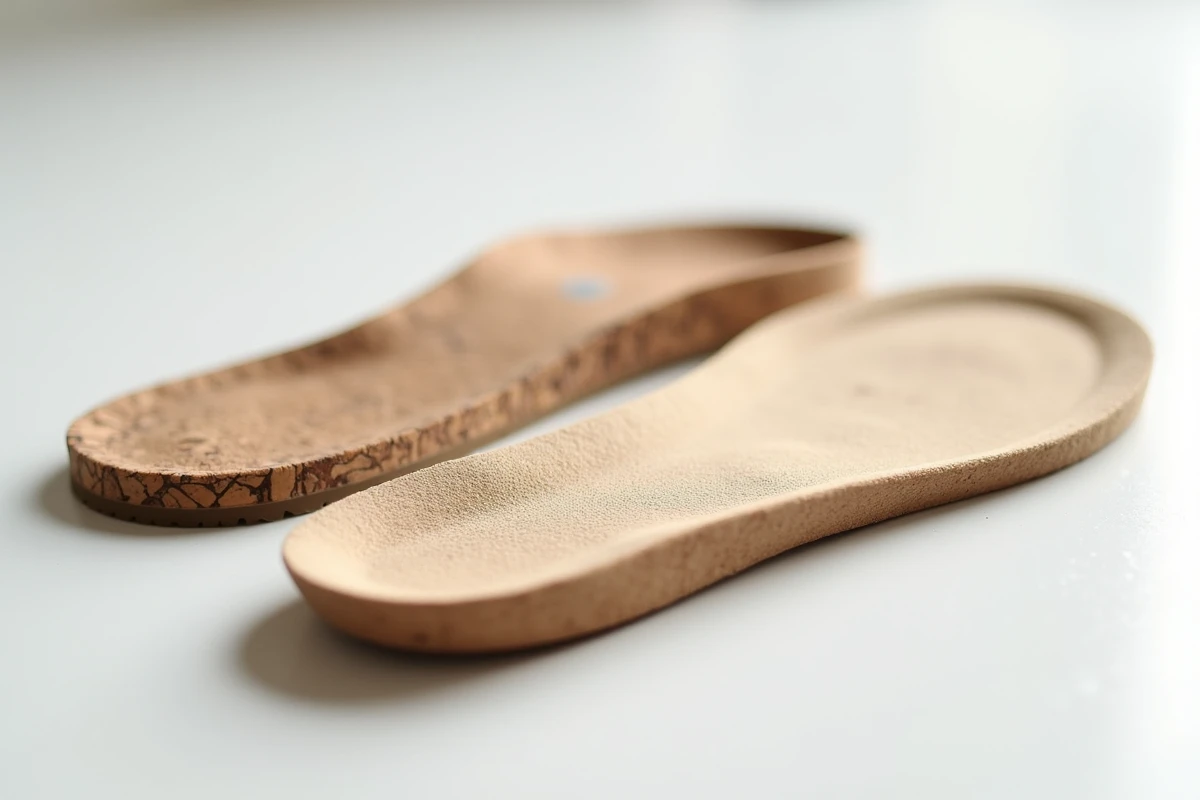
We often start with the sole, and this is where the difference lies. Birkenstock uses a footbed made of cork and natural latex. This material gradually deforms under the weight of the wearer, creating a personalized imprint over the weeks.
Scholl takes a different approach with pre-formed soles, often made of memory foam or soft synthetic material. Comfort is immediate from the first wear, with no break-in period. For someone buying a pair the day before a trip, this is a real advantage.
The downside: a pre-formed sole does not adapt to the individual foot shape. It offers standardized support. With Birkenstock, the arch is supported by a rigid shell that keeps the foot arch in a more natural position, which is particularly appealing to those suffering from flat feet or plantar fasciitis. When comparing Birkenstock or Scholl for comfort, it is precisely this distinction between passive support and structural support that matters.
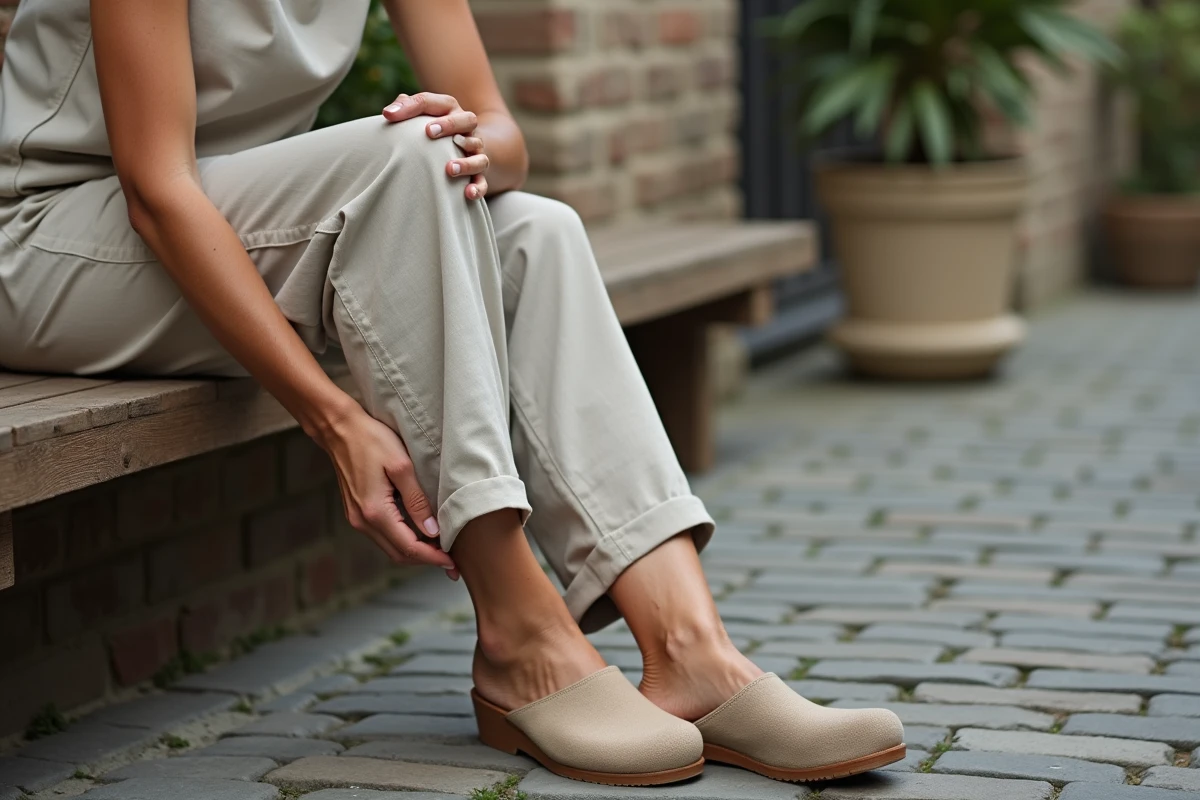
Birkenstock for daily use: who it really works for
It is often said that Birkenstocks are uncomfortable in the first few days. This is true. New cork is firm, the heel cup is deep, and the pronounced arch can surprise a foot used to flat shoes.
The break-in period usually lasts one to two weeks. After this phase, the cork molds to the shape of the foot and the comfort becomes hard to find elsewhere. Models like the Arizona or the Boston are well-suited for prolonged home use or urban walking on hard surfaces.
On the other hand, the rigidity of the Birkenstock sole does not forgive sizing mistakes. A half size too small and the heel cup compresses the foot. Too big and the foot slips, negating the benefit of arch support. Feedback varies on this point depending on foot shape, but the choice between the two widths offered (regular and narrow) plays a often underestimated role.
Scholl for daily use: lightness and versatility as main assets
Where Birkenstock focuses on the durability of cork, Scholl prioritizes lightness. Many Scholl models weigh significantly less than a classic pair of Birkenstocks. For people who spend the day on the move (healthcare personnel, teachers, store salespeople), this weight difference is felt at the end of the day.
Scholl also offers a wider range in terms of styles. There are closed models, mules, slim sandals, and even wedge shoes with cushioning soles. Scholl covers more dress contexts than Birkenstock, which remains focused on a casual style.
The trade-off lies in longevity. Scholl’s synthetic soles wear out faster than Birkenstock’s cork. After several months of intensive use, the foam loses its cushioning ability and support decreases. This results in a shorter replacement cycle to consider in the budget.
Choosing criteria based on your specific situation
Rather than declaring a single winner, here are the situations where each brand has the advantage:
- Flat feet or arch pain: Birkenstock, thanks to its rigid shell and pronounced arch support, offers structural support that Scholl does not provide at the same level
- Need for immediate comfort without break-in: Scholl, with its memory foam soles, works from the first use
- Prolonged standing professional use: Scholl for lightness if you move a lot, Birkenstock if you remain static in a fixed position
- Durability over several seasons: Birkenstock, whose cork can be resoled and whose models often last several years with minimal maintenance
- Tight budget: Scholl offers more accessible entry-level models, even though prices converge in the mid-range
Maintenance as a factor of longevity
A point rarely addressed: Birkenstock cork requires regular maintenance. Without periodic application of a waterproofing product, the cork dries out and can crack. Scholl requires less attention in this regard, but offers less room for repair when the sole is worn out.
Foot comfort: Birkenstock and Scholl are not playing the same game
These two brands cater to distinct needs. Birkenstock builds progressive, personalized comfort focused on orthopedic support for the foot. Scholl delivers ready-to-wear comfort, lightweight, adaptable to more contexts.
The best choice depends on what you ask of your feet each day. For prolonged standing with arch pain, Birkenstock cork remains a reference. To alternate between activity, walking, and professional attire without an adaptation period, Scholl does the job with fewer constraints.