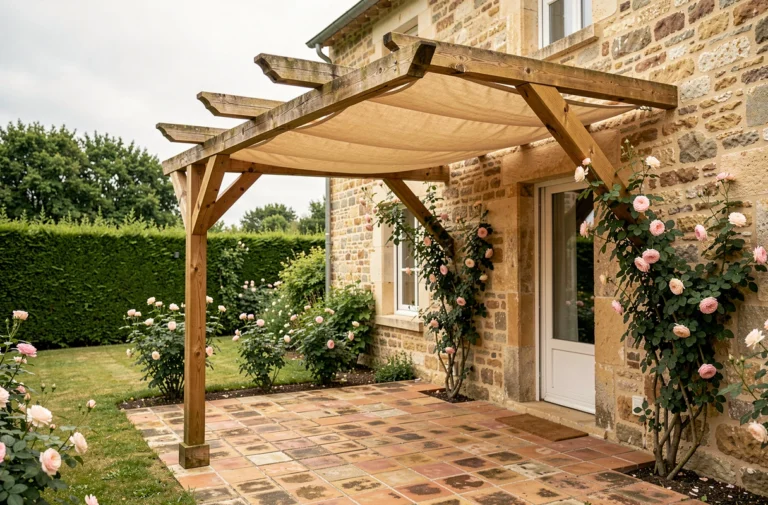
An apartment under the eaves, facing south, with two large windows without shutters: in July, the indoor temperature can exceed the outdoor temperature by several degrees as early as mid-morning. Before considering air conditioning, it’s better to address the problem at the source, that is, at the level of the glazing and its immediate environment.
Thermal lag and glazing: what the window really lets through
We often talk about wall or roof insulation for summer comfort, but the window remains the weak link. Solar radiation passes through the glass almost instantly, without the lag provided by a thick stone wall or dense bio-based insulation.
A standard double glazing allows a significant amount of solar energy to enter. What matters here is the solar factor of the glazing (noted g), which measures the fraction of heat transmitted indoors. The lower this factor, the less the window heats the room.
To explore solutions for insulating windows, two strategies must be distinguished: blocking the radiation before it reaches the glass (external protection) or limiting its transmission through the glazing itself (integrated solar control).
External protection is always more effective than internal protection. An interior blind or thick curtain absorbs heat, but it is already in the room. The glass has heated up, the air between the curtain and the window rises in temperature, and this heat eventually diffuses.
Selectively solar-controlled glazing: an alternative to permanently closed shutters
In recent years, selectively solar-controlled glazing has made significant progress. Their principle: a microscopic metallic layer deposited on the glass reflects a large part of the infrared radiation (heat) while allowing visible light to pass through.
The latest generations, such as those developed by Saint-Gobain Glass (Cool-Lite XTREME or SKN ranges), display a very low solar factor while maintaining high light transmission. This results in a bright room without overheating, avoiding the need to live with closed shutters from June to September.
This type of glazing provides a credible response to the repeated heatwaves observed since 2023-2024, particularly in homes equipped with large bay windows or conservatories. The additional cost compared to standard double glazing is justified on south and west-facing facades, where solar gain is maximal.
When selective glazing is not enough
On a conservatory or a glazed roof, even good selective glazing can be overwhelmed during heatwave peaks. In these configurations, glazing is generally combined with external solar protection (screen blinds or adjustable sunshades). Feedback on this point varies according to orientation and altitude, but the combination of both remains the recommended standard in new construction under RE2020.
Solar film on windows: interior or exterior installation, the choice that changes everything
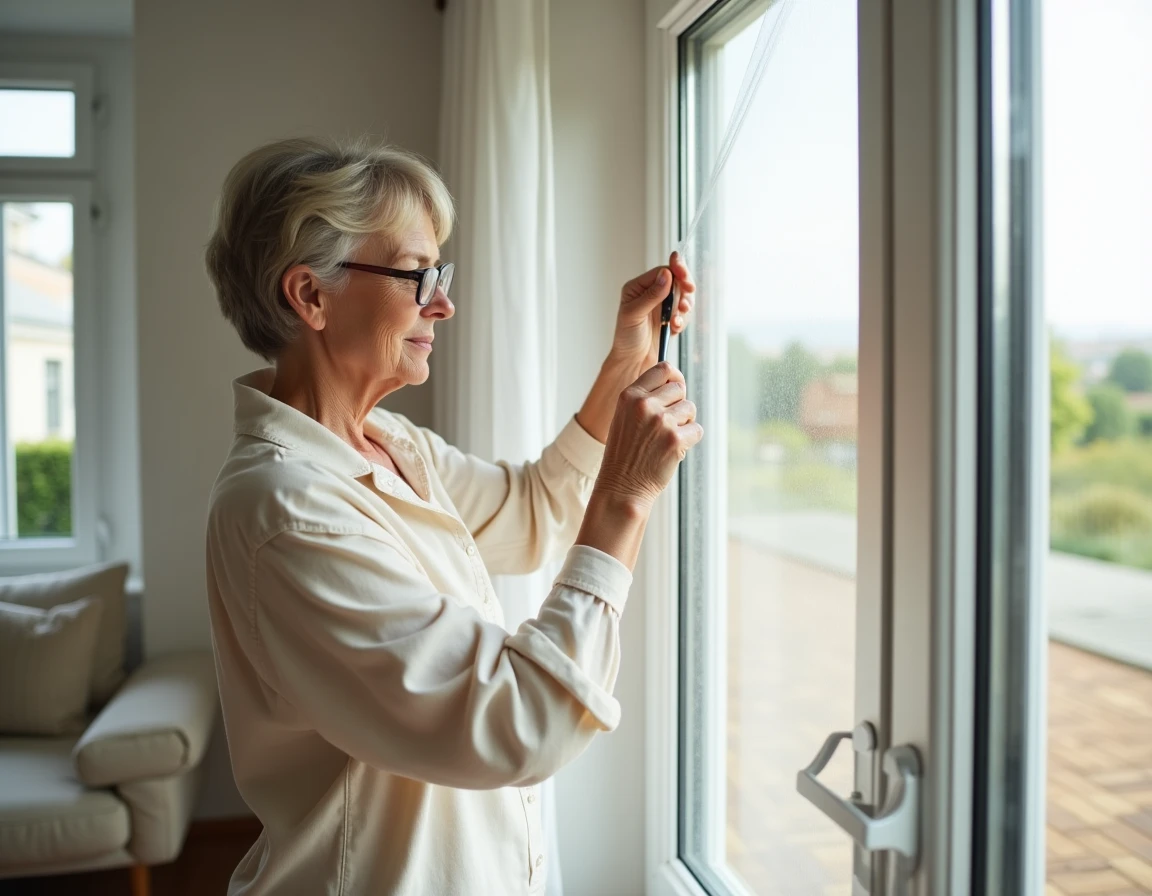
Solar film is the most accessible solution for renovations. It is applied directly to the existing glazing, without changing the window. However, installation professionals report a marked difference between interior film and exterior film.
- The film applied externally intercepts radiation before it passes through the glass. It reduces the transmitted heat much more effectively than an interior film and also limits the heating of the glass itself.
- The film applied internally is easier to install and less exposed to the elements, but it allows the glass to heat up. On double glazing, this overheating of the glass can weaken the seals of the insulating glazing over time.
- On single glazing, the exterior film is the only reasonable choice to achieve a tangible result in summer, as the glass offers no thermal barrier of its own.
Before applying a film, it is important to check that the glazing can withstand thermal stress. Some laminated or tinted glasses absorb more heat with a film, which can cause thermal breakage. A quick assessment by the installer can eliminate this risk.
RE2020 and summer comfort: what the regulation now imposes
Since January 1, 2022, RE2020 has introduced a specific indicator: discomfort degree-hours (DH). This calculation measures the cumulative time during which the indoor temperature exceeds a comfort threshold in summer.
A home whose bay windows let in too much summer heat is penalized by this indicator. In practice, this pushes builders to integrate fixed solar protections (overhangs, sunshades) or low solar factor glazing on exposed facades from the design stage.
For renovations, RE2020 does not apply directly. However, the DH criteria already influence the recommendations of thermal engineering firms during an energy audit. A comprehensive renovation project that ignores summer comfort risks aging poorly in the face of increasingly hot summers.
External protections: what works concretely
In addition to glazing, mechanical protections remain the most powerful lever against heat:
- Roller or hinged shutters, closed during direct sunlight hours, block almost all radiation. This is the simplest and least expensive solution when the windows are already equipped.
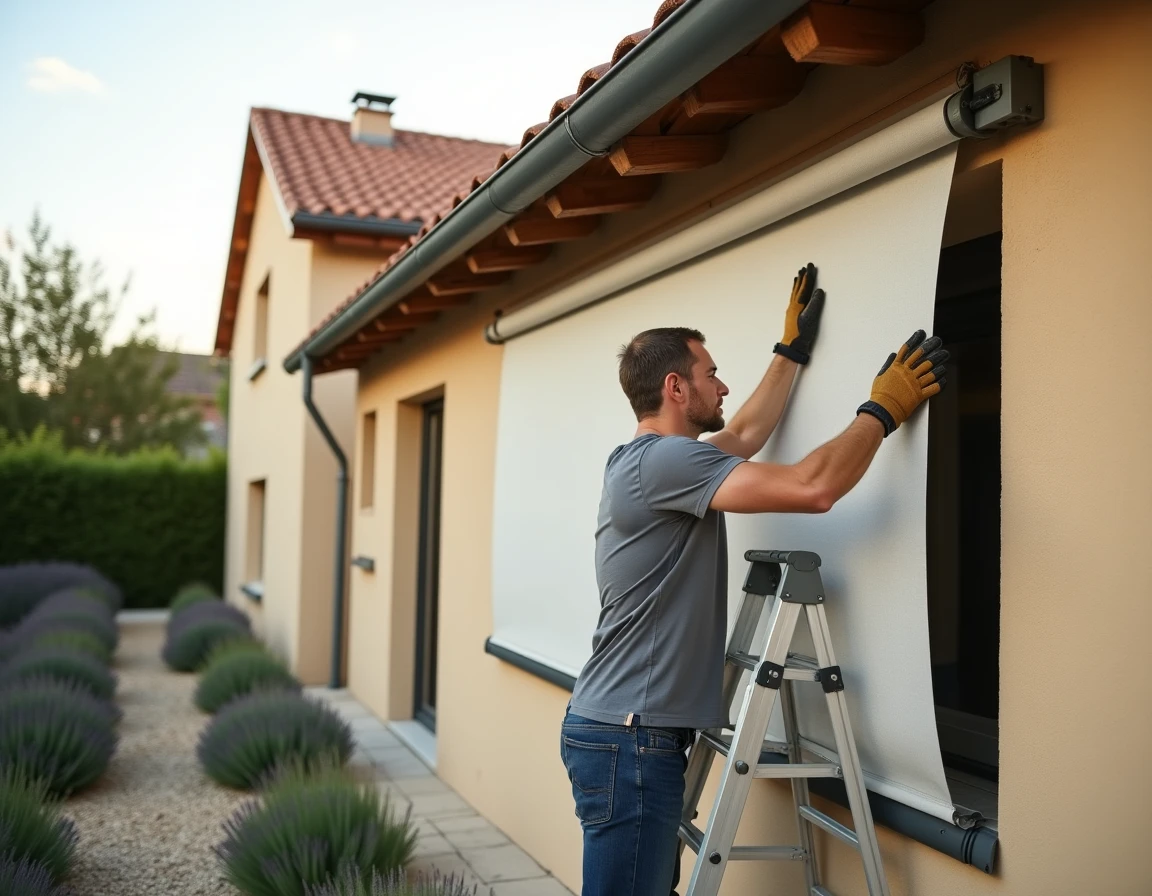
- External screen blinds filter the sun while allowing diffused light and air to pass through. They are particularly suitable for large bays where one wants to maintain the view.
- Adjustable sunshades combine modifiable solar protection and natural ventilation. Their angle can be adjusted according to the sun’s path, making them effective from morning to evening.
Thermal insulation of windows against heat starts with what is in front of the glass, not behind it. A thermal curtain provides a supplement but does not replace a well-sized external protection. Before investing in changing glazing or applying a film, one should first fully utilize the shutters and blinds already in place, then decide between other options based on exposure, budget, and window type.